

Understanding the Visitor Experience
The design of a casino is intricately intertwined with the psychology of its visitors. The primary goal is to create an immersive experience that draws players into a world of excitement and anticipation. From the moment guests enter, their senses are bombarded with vibrant colors, intricate designs, and captivating sounds. This sensory overload is intentional; it is crafted to evoke feelings of euphoria and comfort, encouraging patrons to stay longer and engage more deeply with the games they love casino options available. Understanding how these elements affect the visitor’s mindset is crucial for designing spaces that maximize both enjoyment and profitability.
Create an environment where players feel a sense of belonging and identity. This is often achieved by integrating elements of local culture or themes that resonate with visitors. For example, casinos may feature artwork or design schemes that reflect the surrounding area, reinforcing a connection with guests. This enhances emotional engagement and helps create a loyal clientele who feel personally invested in their gaming environment. In this way, casino design goes beyond aesthetics and delves into the realm of emotional psychology.
Furthermore, the layout of a casino is strategically planned to encourage exploration and movement. Pathways may lead guests toward high-stakes areas, while smaller, intimate spaces cater to those seeking quieter games. This complexity ensures that each visit feels unique, allowing for various experiences. By understanding how individuals naturally navigate spaces, designers can create an atmosphere that feels organic and intuitive, ultimately enhancing the overall visitor experience.
The Role of Color and Light
Color and light play pivotal roles in casino design, impacting mood and behavior significantly. Warm colors like red and gold tend to evoke feelings of excitement and luxury, while cooler colors can promote calmness. Designers carefully select color palettes to create an emotional undercurrent that complements the gaming experience. For instance, bright reds may be used around slot machines to stimulate excitement, while calming blues might be utilized in lounges or dining areas to provide a contrast that encourages patrons to relax.
Lighting, too, is a powerful tool in shaping perceptions and experiences. Bright, focused lights often enhance the thrill of gaming by drawing attention to specific machines or tables, while softer ambient lighting can make patrons feel more comfortable and relaxed. Furthermore, the use of strategic lighting can influence how long visitors stay in specific areas. Casinos may illuminate certain spots more brightly than others to guide traffic flows and encourage players to linger longer in high-revenue areas.

Moreover, the interplay of color and light can influence decision-making processes. Studies have shown that certain colors can enhance risk-taking behavior, making players more likely to continue betting. By manipulating these visual aspects, casinos tap into psychological triggers that can enhance the overall experience and potentially increase revenue. This careful orchestration of light and color is not merely aesthetic; it is deeply psychological, aiming to create an environment that encourages playfulness and risk-taking.
The Importance of Sound and Music
Sound design within casinos is another crucial factor in crafting the overall experience. The auditory environment plays a significant role in shaping emotions and behaviors. Sounds like the ringing of slot machines and upbeat music can create an exhilarating ambiance, enhancing the thrill of winning. Conversely, subtle background music serves to mask disruptive noises, helping patrons feel more at ease and focused on their gameplay. By curating a unique soundscape, casinos create an atmosphere that reinforces the emotional highs associated with gaming.
Moreover, specific sounds can trigger emotional responses that influence player behavior. For example, the rhythmic chimes of a winning machine can evoke a sense of euphoria, making players more likely to continue playing in pursuit of that same high. This concept is tied to the psychological principle of operant conditioning, where positive reinforcement encourages repeated behavior. By deliberately designing an auditory experience that stimulates excitement, casinos can increase engagement and prolong visits, ultimately leading to higher spending.
Additionally, the pacing of the music can affect how guests perceive time while gaming. Fast-paced tracks may make time seem to fly, encouraging players to stay longer, while slower tempos can create a more relaxed environment conducive to socializing. Understanding the psychological impact of sound helps designers craft an experience that balances excitement and relaxation, ensuring that guests feel both stimulated and comfortable throughout their visit.
Creating a Sense of Belonging
A significant aspect of casino design is cultivating a sense of community and belonging among visitors. Many casinos incorporate social spaces, such as lounges and restaurants, where players can interact, share experiences, and forge connections. This design choice aligns with the human predisposition to seek social interaction and connection. By creating inviting spaces that encourage socialization, casinos not only enhance the overall experience but also foster loyalty and repeat visits.
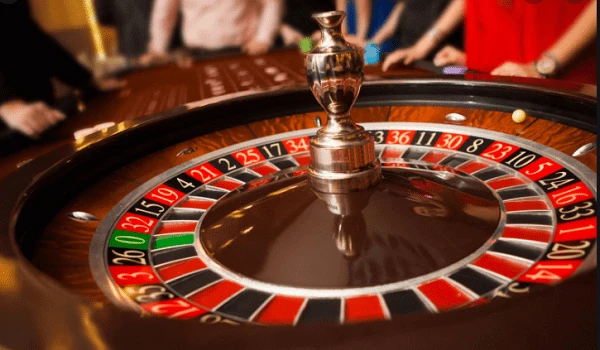
The layout often seeks to facilitate interaction, with games arranged in clusters that promote a shared gaming experience. High-stakes tables may be designed to encourage camaraderie among players, fostering a competitive yet friendly atmosphere. This social dynamic can lead to a more enjoyable gaming experience, as individuals celebrate wins and commiserate over losses together. The psychological impact of these shared experiences can be profound, creating a sense of camaraderie that keeps guests returning.
Casinos also utilize loyalty programs and community events to further enhance this sense of belonging. By offering personalized incentives and recognition, such as player cards that track points and rewards, casinos demonstrate an understanding of individual preferences and habits. This acknowledgment fosters a deeper emotional connection between the casino and its patrons, reinforcing their sense of identity within this entertainment space. As players feel valued and recognized, they are more likely to return, knowing that they are part of an exclusive community.
Exploring the Intersection of Design and Psychology
Understanding the psychology behind casino design opens a window into the strategic choices made by designers and operators alike. Each element, from layout to color, sound, and social spaces, is crafted with a deep understanding of human behavior and emotional responses. This intersection of design and psychology seeks to create an environment that not only entices but also captivates and retains visitors. By leveraging insights from psychology, designers can create spaces that resonate with guests on a fundamental level, enhancing their gaming experience.
Moreover, ongoing research into psychological principles continues to inform these designs, allowing casinos to adapt to changing behaviors and preferences. Game developers and casino designers are constantly refining strategies to enhance engagement and retention, ensuring that they remain competitive in a crowded market. This commitment to understanding the psychological underpinnings of design ensures that casinos are not merely places to gamble but vibrant, dynamic environments where guests feel truly connected.
As the realms of psychology and design evolve, so too will the strategies employed by casinos to foster a unique playing experience. The insights gained from this exploration can be applied not only in gaming establishments but across various sectors, highlighting the universal relevance of psychological principles in design. Ultimately, the study of casino design is a fascinating glimpse into human behavior, revealing how spaces can be tailored to create impactful emotional experiences.